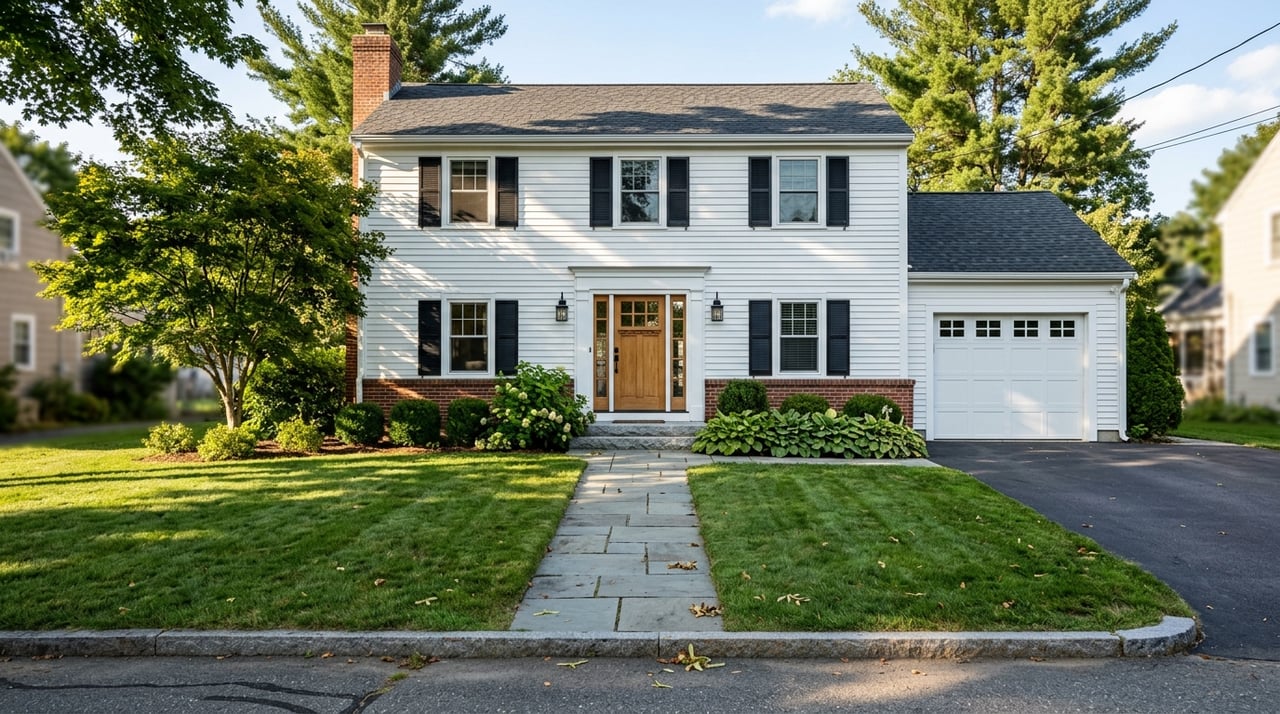
Looking for a place where historic character, everyday convenience, and outdoor access all come together? Amherst’s village neighborhoods offer a lifestyle that feels distinctly New Hampshire, with a civic center shaped by commons, classic architecture, and a strong sense of place. If you are considering a move to Amherst or simply want a clearer picture of daily life there, this guide will walk you through what to expect. Let’s dive in.
Amherst Village at a Glance
Amherst is a small Southern New Hampshire town with a strongly residential feel. The U.S. Census Bureau estimates the population at 11,985 in 2025, and the town has a 91.9 percent owner-occupied housing rate. That high ownership rate helps explain why many buyers see Amherst as a place where people tend to put down roots.
Location is also part of the appeal. Amherst sits on the western edge of the Merrimack Valley and the eastern edge of the Monadnock region, with Manchester and Nashua both less than 15 miles from downtown Amherst. Access to Routes 101, 101-A, US 3, and I-93 makes it practical for people who want a village setting with regional reach.
What Makes Village Life Distinct
Amherst Village is the town’s historic center, and the town describes it as the largest historic district in New Hampshire. The district covers more than 1,600 acres and 120 buildings, with a broad concentration of Colonial, Federal, and Greek Revival properties. It has also been listed on the National Register of Historic Places since 1982.
In everyday life, that history is not just visual. The village green and surrounding commons continue to serve as the town’s civic heart, giving the area an active, local rhythm that many buyers are looking for. You are not just choosing a home style here. You are choosing a setting with visible community spaces and long-standing town traditions.
Community Events Shape the Rhythm
One of the best ways to understand Amherst’s village neighborhoods is to look at how people gather. The village green anchors events such as the Fourth of July celebration, Christmas tree lighting, band concerts, the farmers market, Antiques on the Green, and Easter egg hunts. That kind of regular public use gives the village center a lived-in, connected feel.
For many buyers, this matters as much as square footage. Being near spaces that host recurring town events can add a layer of everyday enjoyment that is hard to measure on paper. It is one reason Amherst often appeals to people who want more than just a house.
Walkable Public Spaces in the Village
Amherst is spread across a larger town footprint, but the village itself has a compact network of public spaces. The town identifies Main Street Common, Pierce Common, Spalding Common, Civil War Memorial Common, Huntington Common, and School Street Park as public commons in or near the village. Together, they create a center that feels more connected and walkable than you might expect in a suburban-rural community.
The Amherst Town Library adds to that daily convenience. Located on Main Street in a building dating to 1892, it is part of the village’s practical and civic life, not just its historic identity. Town offices are also in the village area, which means many day-to-day errands and routines can center around the historic core.
Outdoor Life Is Part of Daily Living
If you want easy access to nature, Amherst stands out. The Conservation Commission manages about 2,600 acres of conservation land and more than 25 miles of trails. The trail network supports hiking, skiing, snowshoeing, and other low-key outdoor recreation, making it easy to build fresh air and movement into your regular routine.
Pond Parish is one notable part of that network. The town describes it as a key hub that connects open woodlands in Merrimack with lands across Amherst and beyond into Bedford. For buyers who value trail access and green space, that broad connected system is a meaningful part of what everyday life in Amherst can look like.
Baboosic Lake Adds Seasonal Fun
During the warmer months, Baboosic Lake Town Beach becomes a major local amenity. According to the town, the beach is open seven days a week from 9 a.m. to 7 p.m. in season, with lifeguards on duty. Resident access is available every day, while nonresident access is more limited.
That kind of local recreation can shape how a town feels from spring through early fall. Whether you are looking for a simple weekend routine or a place where outdoor time feels built into the season, amenities like Baboosic Lake add to Amherst’s appeal.
Daily Convenience Beyond the Village
Village life in Amherst feels local and historic, but convenience is still close by. The town notes that the Route 101-A corridor has a vibrant business district with many national retailers. That means you can enjoy the quieter feel of Amherst’s village neighborhoods while still having access to practical shopping and services nearby.
This balance is a big part of Amherst’s identity. You get a town known for conservation, preservation, and recreation, but you are not isolated from everyday needs. For many households, that mix is exactly what makes Amherst work.
Housing Styles You Will See
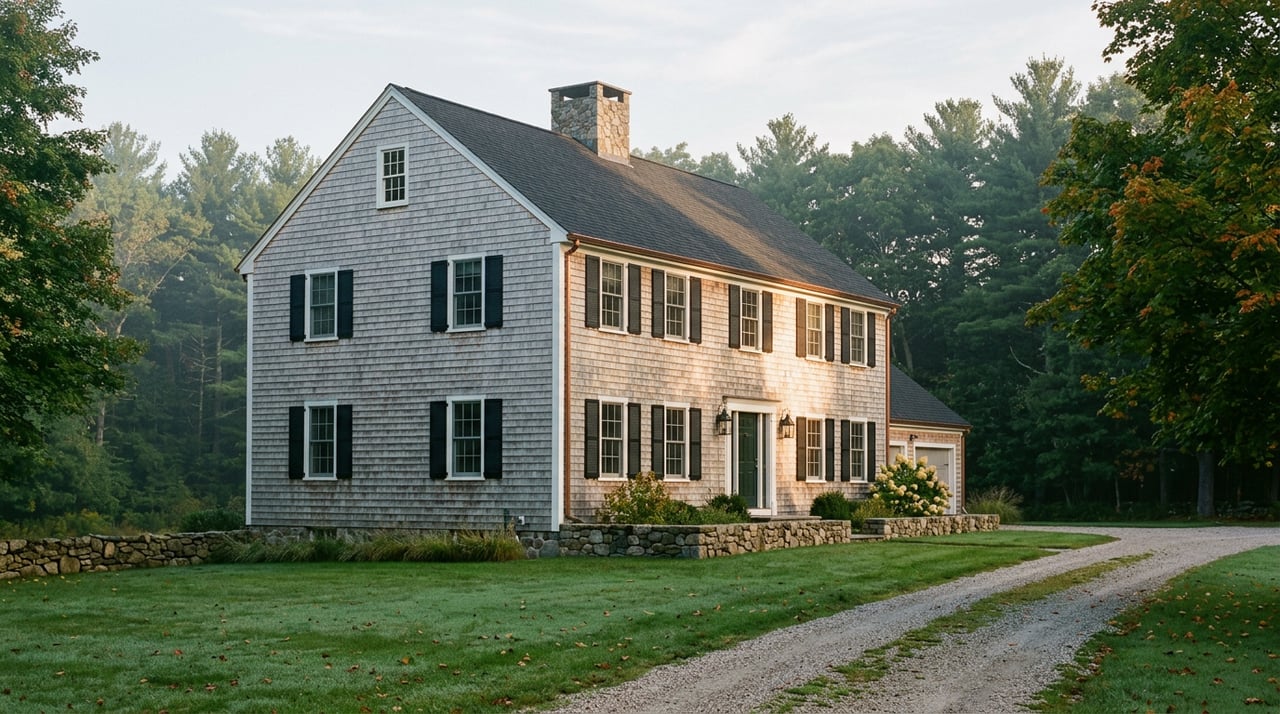
The village core is best known for older architecture. The historic district includes more than 100 historically significant properties dating from 1700 to 1924, and the area features Colonial, Federal, and Greek Revival buildings. If you are drawn to classic New England streetscapes, this is a major part of the village’s appeal.
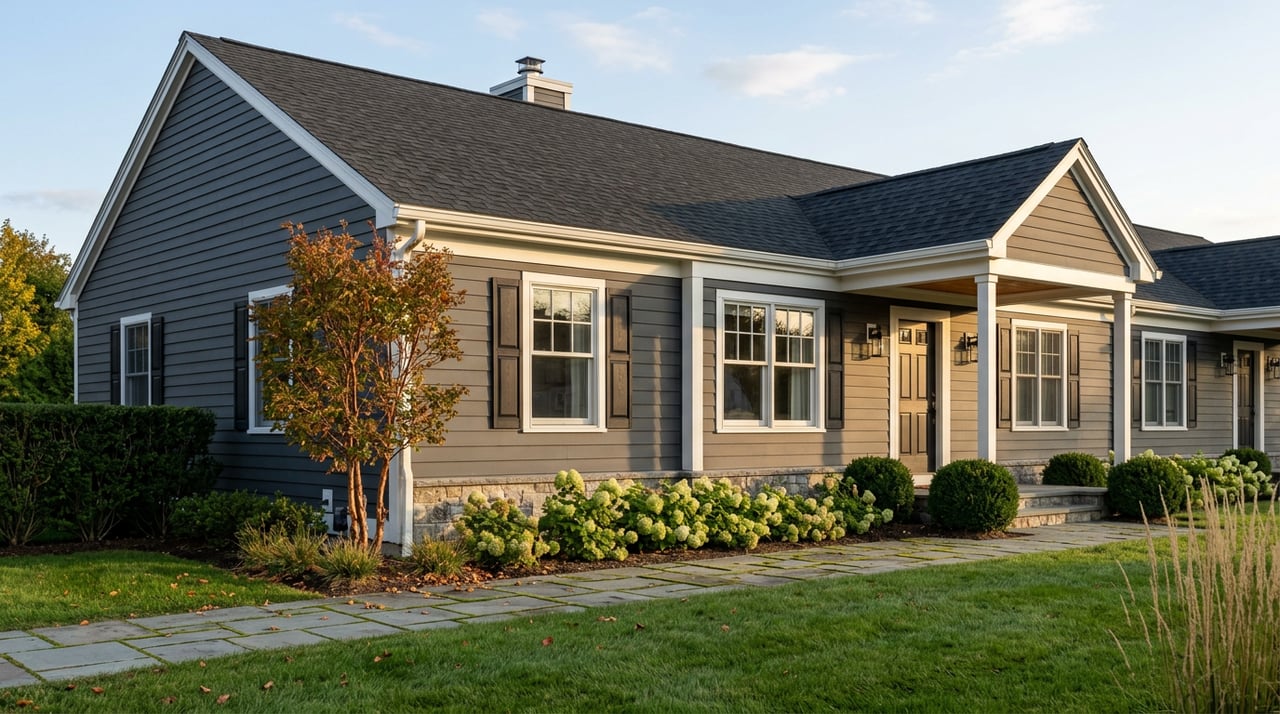
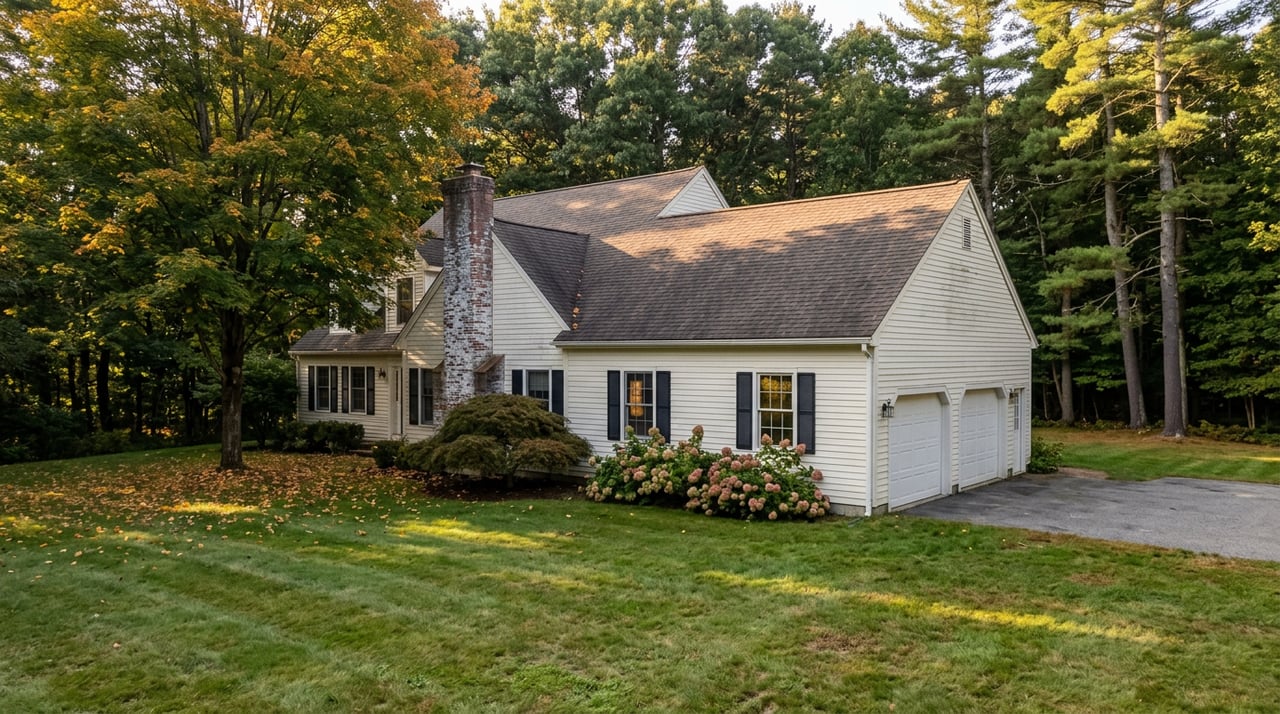
Outside the oldest village streets, the housing mix broadens. Town survey materials also document Colonial Revival, Cape Cod, Ranch, Split Entry, and Garrison Colonial homes. In practical terms, Amherst can offer both historic village character and later neighborhood styles, depending on what kind of home and setting you want.
What Buyers Should Know About Historic District Homes
If you are considering a home within the historic district, it is important to understand the rules that come with it. The town requires approval for many exterior alterations, encourages original materials and details, and specifically prohibits synthetic siding. These standards are designed to preserve the district’s historic character over time.
For some buyers, that level of review feels like a benefit because it helps protect the look and continuity of the area. For others, it means planning carefully before taking on exterior updates. Either way, it is something to factor into your decision early.
The Market Context in Amherst
Amherst’s housing profile helps explain its long-term appeal. Census data show a median owner-occupied home value of $537,600, a median household income of $153,196, and median gross rent of $1,462. Combined with the 91.9 percent owner-occupied housing rate, those figures point to a market where ownership plays a central role.
For buyers and sellers, this context matters. Amherst is not just known for its architecture and open space. It is also a community where residential stability and neighborhood fit tend to carry real weight in the market.
A Good Fit for Regional Commuters
Amherst often appeals to people who want a quieter home base while staying connected to work and daily obligations across Southern New Hampshire. The town’s location near Manchester and Nashua, along with access to major routes, supports that kind of routine. SAU 39 also notes that many residents work in nearby cities or commute to Massachusetts.
That regional flexibility can be especially helpful if your move is tied to a job change, a relocation, or a simultaneous buy-sell transition. Amherst offers a setting that feels removed from busier commercial centers without being far from them.
How Schools Fit Into Daily Life
Amherst and Mont Vernon each provide elementary schools, and the towns share Amherst Middle School and Souhegan Cooperative High School through SAU 39. The district reports total PK-12 enrollment of 2,282, with Souhegan Cooperative High School enrollment at 788. For buyers comparing community structure and daily routines, that shared district model is part of understanding how the town functions.
School information is only one piece of a move, but it often affects driving patterns, schedules, and how households picture day-to-day life. When you are evaluating Amherst, it helps to think about the full routine, not just the home itself.
Why Amherst Village Neighborhoods Appeal to Buyers
For many people, Amherst village neighborhoods offer a rare mix. You can find historic character, visible civic spaces, conservation land, seasonal recreation, and access to nearby cities all within one town. That blend supports a lifestyle that feels grounded, scenic, and practical at the same time.
If you are buying, it helps to look beyond listing photos and ask how each part of town may fit your daily habits. If you are selling, it is worth understanding which of Amherst’s qualities buyers are responding to most strongly, from village setting to trail access to architectural character. That is where local perspective can make a real difference.
If you are thinking about buying or selling in Amherst, Jennifer Lawrence can help you evaluate neighborhood fit, property presentation, and next steps with a calm, informed approach.
FAQs
What is everyday life like in Amherst Village, NH?
- Everyday life in Amherst Village centers around historic streets, public commons, the library, town offices, community events, and easy access to local outdoor spaces.
What kinds of homes are common in Amherst village neighborhoods?
- Amherst village neighborhoods include historic Colonial, Federal, and Greek Revival homes, along with Colonial Revival, Cape Cod, Ranch, Split Entry, and Garrison Colonial styles in surrounding areas.
What should buyers know about Amherst’s historic district?
- Buyers should know that many exterior changes within the historic district require town approval, original materials and details are encouraged, and synthetic siding is prohibited.
Is Amherst, NH convenient for commuting?
- Amherst offers access to Routes 101, 101-A, US 3, and I-93, and Manchester and Nashua are both less than 15 miles from downtown Amherst.
Does Amherst, NH have trails and outdoor recreation?
- Amherst has about 2,600 acres of conservation land and more than 25 miles of trails, with opportunities for hiking, skiing, snowshoeing, and other low-key recreation.
What amenities support daily life in Amherst, NH?
- Daily life in Amherst is supported by village commons, the Amherst Town Library, town offices, Baboosic Lake Town Beach in season, and the Route 101-A business corridor with many national retailers.