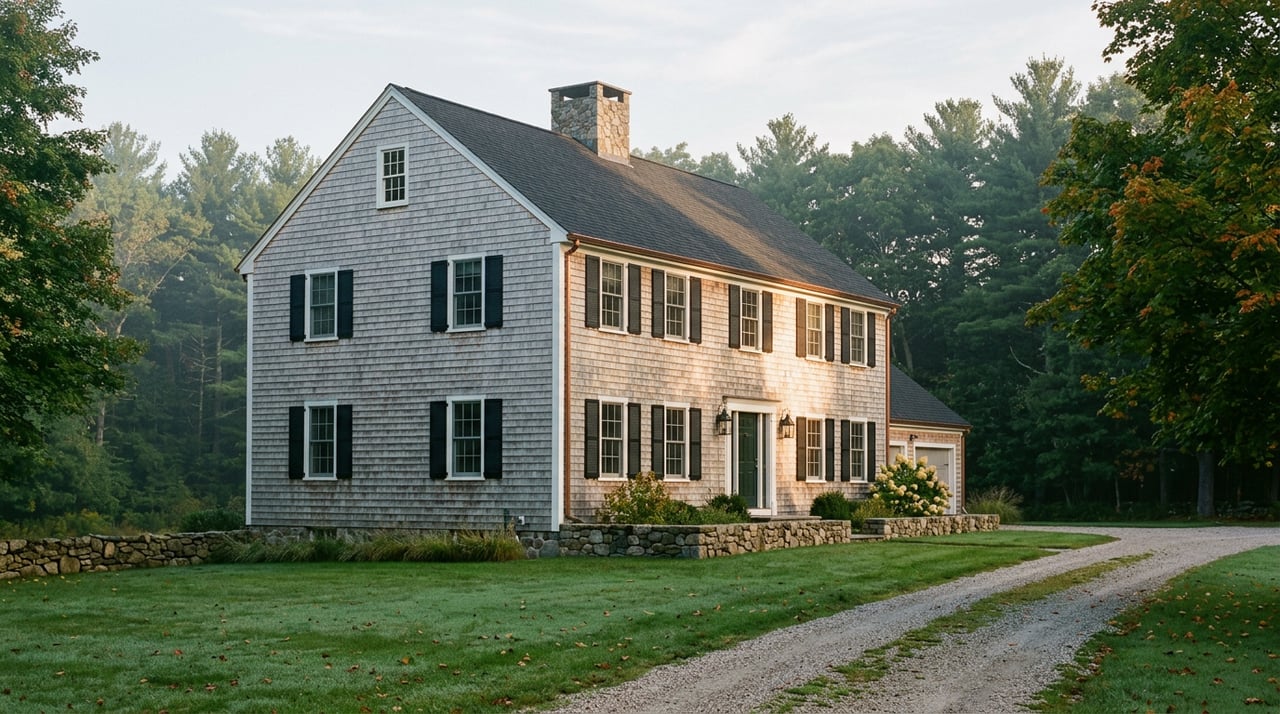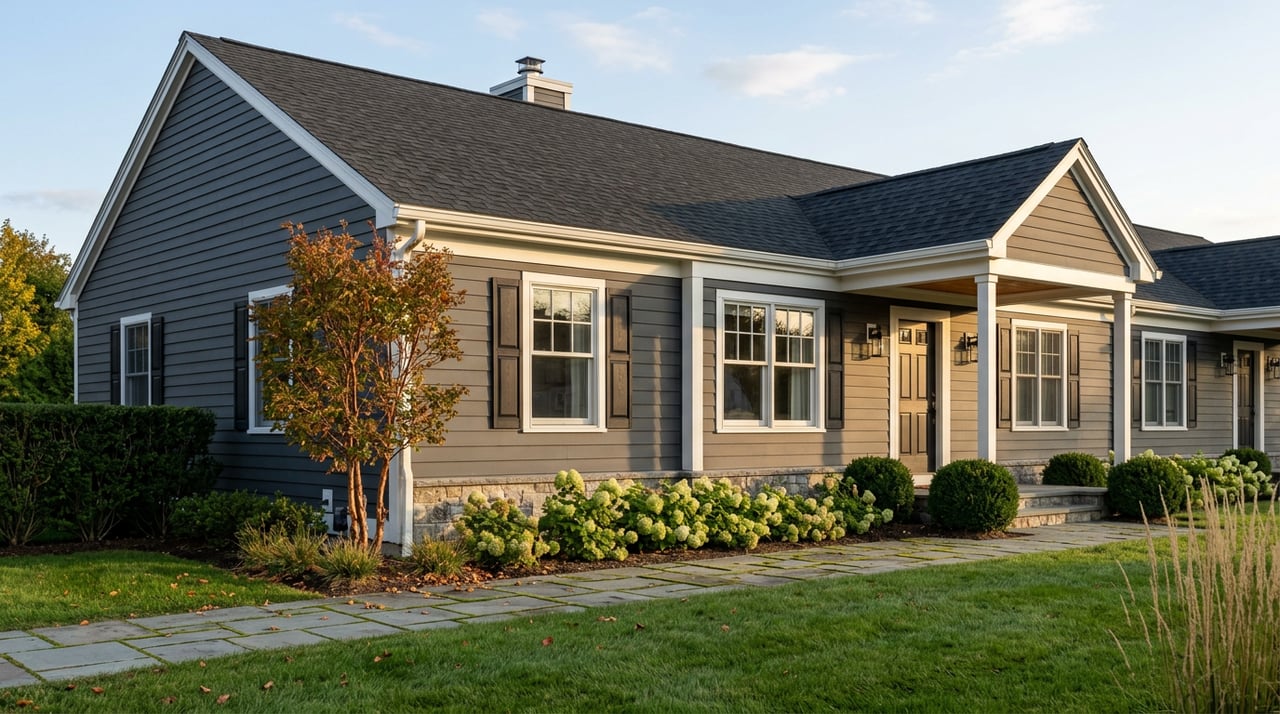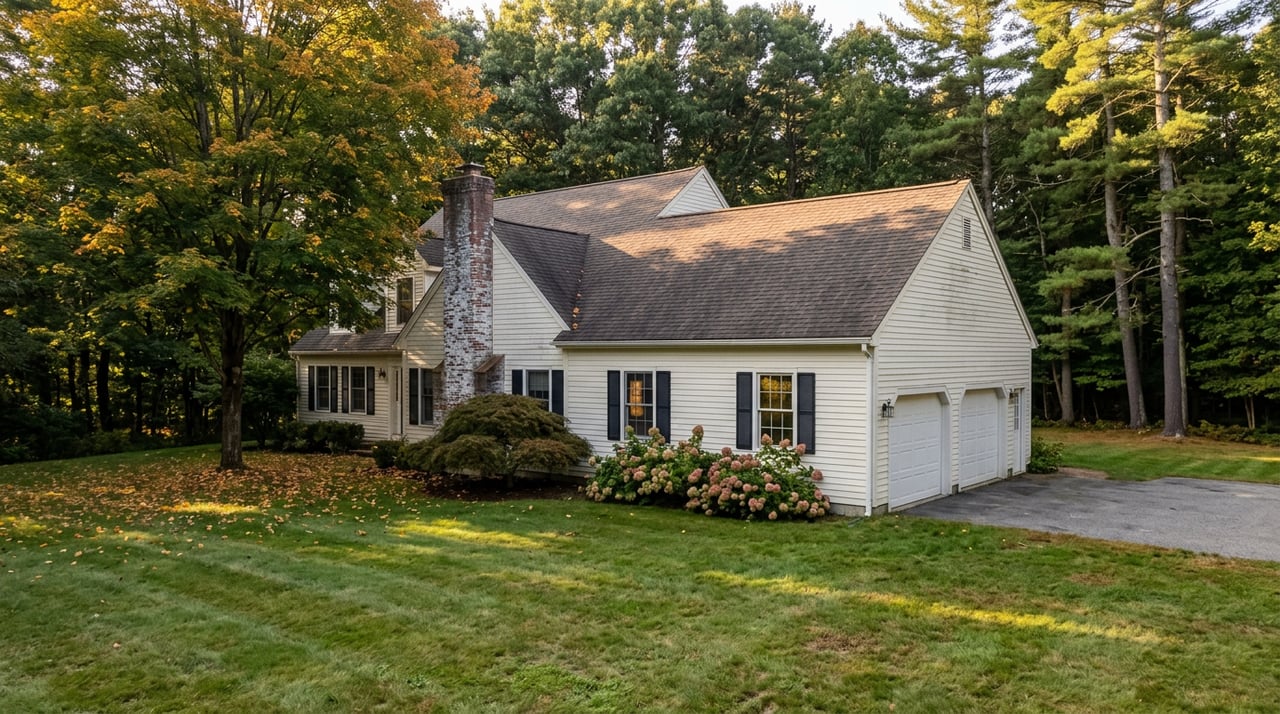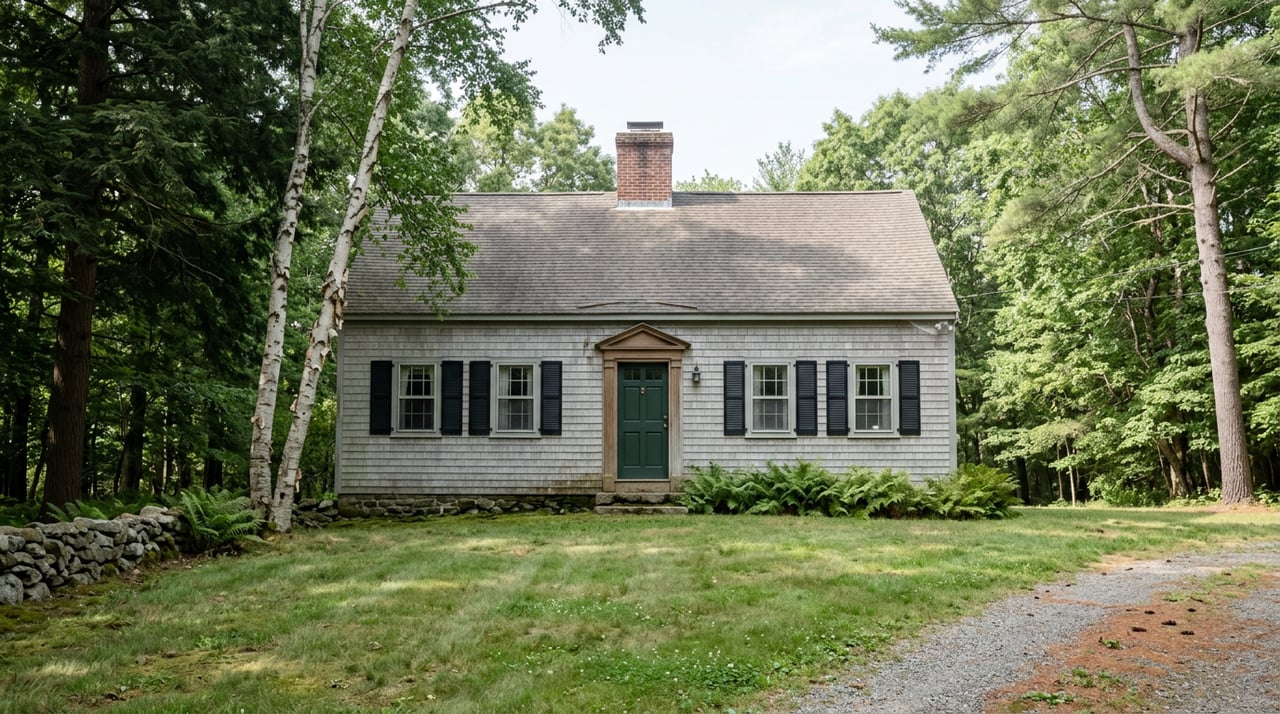
How many bedrooms does a five-acre Cape on a quiet Hollis road actually have?
The listing says four. The floor plan shows four rooms with closets and windows that meet code. But on a private well and septic property, and a meaningful share of what comes up for sale in Hollis fits that description, neither number is the one that decides what you can legally occupy, finance, or someday add on to. That number lives in a septic design file, and it can quietly disagree with the listing sheet.
This gap matters more in Hollis than it would in a town with municipal water and sewer, because a lot of homes here run on systems approved decades ago, sized for a household that may have looked nothing like the one buying the house today.
The Number That Actually Counts
In New Hampshire, a septic system is designed and permitted for a specific number of bedrooms, not a specific number of rooms. A house marketed as four bedrooms may carry a septic approval for only two or three, because at some point a previous owner finished a bonus room or converted a home office into a bedroom without updating the septic design to match. The room exists. The legal bedroom capacity tied to the wastewater system does not automatically follow it.
That gap is more than semantics. It affects what a lender will finance, what an appraiser will support in value, and whether a future owner can add a bedroom without triggering a septic upgrade first. A buyer who assumes the marketing number and the approved number are the same is building an offer on an assumption the septic file was never designed to support.
Where Hollis Keeps the Answer
This isn't a guess a buyer has to make blind. Hollis maintains its own septic system records and design requirements through the town, and the state runs a parallel archive. New Hampshire's Department of Environmental Services operates an online portal called Subsurface Onestop, covering septic approvals from 1967 to 1986 and from 2016 forward, searchable by owner name, address, designer, installer, or approval number.
Two checks, done in the right order, settle the question before an offer goes in:
- Search the property address in Hollis's own septic records for the approved design and bedroom count on file with the town.
- Cross-reference the state's Subsurface Onestop portal for anything the town record doesn't capture, particularly approvals from 2016 forward.
For a system that predates permitting altogether, there's a third step. If the septic system was never approved by NHDES, or was approved before September 1989, current law requires a New Hampshire permitted septic system designer to evaluate the elevation of the disposal area against the seasonal high water table, a more technical review than a routine inspection, before anyone can say with confidence whether the system is even functioning to standard.
What Lenders Actually Require
New Hampshire has no statewide law requiring a septic or well inspection on a standard home sale. That catches a lot of buyers off guard, since they assume every closing includes one. What actually drives the inspection is the loan, not the state.
FHA, VA, USDA, and NH Housing Finance Authority loans all expect a passing septic evaluation and a water test covering bacteria and nitrate at minimum, with arsenic testing frequently added because it occurs naturally in New Hampshire's granite bedrock. A conventional loan or a cash purchase carries no such requirement, which means the buyer has to choose to order the testing rather than have it built into the process automatically. Skipping it on a private system is one of the few places in a New Hampshire transaction where "not required" and "not risky" mean two very different things.
The Math That Makes a Test Look Cheap
Here's what the numbers look like once a buyer decides to test:
- Septic inspection: roughly $200 to $600
- Water test for bacteria and nitrate: roughly $50 to $200
- Well yield or flow test: roughly $150 to $500
Set against those figures, a full septic system replacement in New Hampshire runs $25,000 or more, a figure the state's own environmental agency uses as its benchmark. A few hundred dollars of testing before an offer becomes final is a rounding error next to a five-figure repair discovered after closing, when the cost and the timeline both belong entirely to the new owner.
The Waterfront Wrinkle
Hollis sits along the Nashua River, and Silver Lake draws residents to its shoreline most summers. For any Hollis property with a septic system located within 250 feet of a qualifying lake, pond larger than 10 acres, or higher-order river, a New Hampshire law that took effect September 1, 2024 changed who carries the inspection burden.
Before that date, sellers of developed waterfront property had to complete a septic site assessment before listing. House Bill 1113 removed that seller obligation and placed it on the buyer instead. Under RSA 485-A:39, a buyer purchasing a qualifying waterfront property must now hire a New Hampshire licensed septic evaluator before the transfer closes, at the buyer's own expense, unless the seller already has an evaluation completed within the prior 180 days that the buyer agrees in writing to accept. If that evaluation finds the system failing, it has to be repaired or replaced within 180 days of the transfer, with the cost split however buyer and seller negotiate.
For a Hollis buyer looking at a property near the river or within reach of the lake, that's a line item to build into the offer timeline from the start, not a surprise to discover mid-transaction.
What This Means If You're Selling
The same file that protects a buyer works in a seller's favor when it's handled early. A seller who has the septic system evaluated, and pumped if it hasn't been recently, before listing removes one of the more common reasons a Hollis sale stalls between accepted offer and closing. It also means the marketing bedroom count and the approved bedroom count already match, so there's no gap left for an appraiser or underwriter to find later in the process.
For acreage and wooded-lot properties, where systems tend to be older and records less consistently digitized, that head start is worth more than it costs. A seller who can hand a buyer's agent a septic approval and a recent pumping receipt on day one has already answered the question most Hollis buyers eventually ask anyway.
Common Questions
Does every private well in Hollis need arsenic testing? Not by law, but it's commonly recommended for New Hampshire's bedrock wells, and several loan programs request it directly for that reason.
Can a buyer use the seller's existing septic evaluation instead of ordering a new one? Only for waterfront properties under the 2024 law, and only if that evaluation was completed within 180 days of closing and the buyer agrees in writing to rely on it.
What happens if the septic system predates any permitting at all? A New Hampshire permitted septic system designer has to evaluate the disposal area's elevation relative to the seasonal high water table to determine whether the system is in failure, a step beyond a standard inspection.
If you're weighing a wooded-acreage listing in Hollis, or preparing one of your own for the market, Lawrence Home Group can walk through what the septic file actually says before it becomes a financing problem or a closing delay. Contact us to talk through the specifics of your property before the offer stage, not after.